 IndianZ Xpress NZ's first and only Hindi news website

- Alok Gupta :
Five ODIs, two generations and one enormous ambition — as India begin shaping their future with the 2027 World Cup in South Africa firmly in sight.
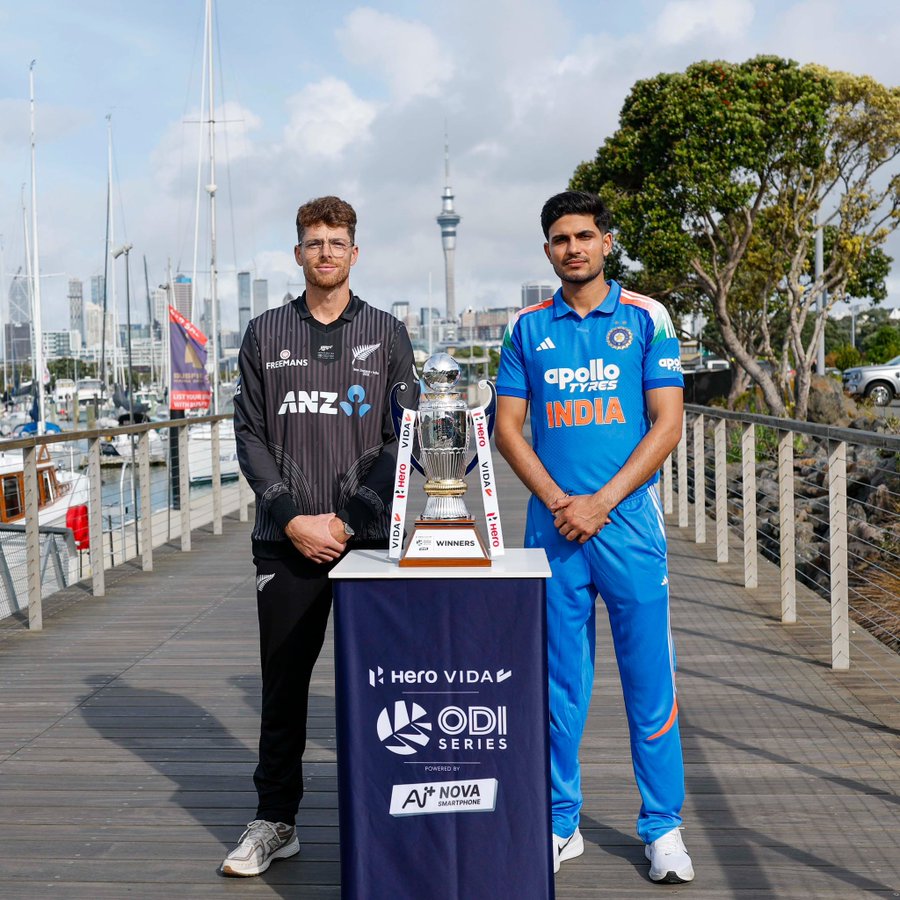
Indian cricket enters an intriguing new chapter as India and New Zealand prepare to lock horns in a five-match ODI series, beginning today at Eden Park. More than just another bilateral contest, this series carries considerable significance for a team standing at the crossroads of transition, experience and ambition.
With the 2027 ICC Cricket World Cup in South Africa approaching, India have a delicate balancing act to perform. They must preserve the experience and class of their established champions while giving the next generation enough responsibility, confidence and exposure to take Indian cricket forward.
And few series could offer a more fascinating examination of that challenge than this one against New Zealand.
The Enduring Magic of Rohit and Virat
The presence of Rohit Sharma and Virat Kohli remains one of the biggest attractions of this Indian team. They are no longer young cricketers seeking to establish themselves. They are accomplished legends whose contributions have shaped an extraordinary era of Indian cricket.
Their value, however, extends far beyond the runs they score. Their experience of major tournaments, their understanding of pressure situations and their ability to dictate the rhythm of an innings remain invaluable assets.
For the younger players, sharing a dressing room with these two giants is an education in itself. Watching how they prepare, approach difficult situations and respond to setbacks can provide lessons that no coaching manual can replicate.
The question is not whether Rohit and Kohli belong in India’s World Cup plans. It is how effectively India can utilise their experience while preparing the team for a future that will eventually have to move beyond them.
A Team in Transition, A Future to Build
Every great cricketing side eventually faces the challenge of succession. India are no exception.
The coming months must be about identifying the right combination rather than simply assembling the biggest collection of individual reputations. The selectors and team management need to establish clarity around the batting order, the middle-order responsibilities, the wicketkeeping position and the bowling combination.
Young players must be given meaningful opportunities, not occasional appearances that leave them uncertain about their roles. They need the confidence to play their natural game, but also the discipline to adapt to the demands of 50-over cricket.
India have enormous talent at their disposal. The challenge is converting that talent into a settled, dependable and competitive ODI unit.
Why South Africa 2027 Changes the Equation
The next ODI World Cup, scheduled for 2027 in South Africa, will present a distinctly different examination from the conditions Indian cricketers are accustomed to at home.
South African pitches can offer pace, bounce and movement, particularly for fast bowlers. The ability to negotiate the new ball, build partnerships and accelerate intelligently will be crucial. Equally important will be a balanced bowling attack capable of exploiting conditions and defending totals.
India cannot wait until the eve of the tournament to discover whether their combination works in unfamiliar conditions.
This New Zealand series, therefore, should be viewed as one of the building blocks of a much larger project. It is an opportunity to test combinations, expose emerging players to responsibility and develop a clear understanding of what the team needs to succeed in 2027.
New Zealand: Never an Easy Opponent
New Zealand have built a reputation as one of international cricket’s most disciplined and competitive sides. They may not always command the individual star power of India, but their organisation, teamwork and ability to perform under pressure make them formidable opponents.
Their familiarity with conditions in New Zealand, combined with their traditional strength in seam bowling and disciplined cricket, will test India’s technique and temperament.
For India, this is precisely the kind of challenge they need. Winning will matter, but how they win will matter just as much.
Five Matches, One Bigger Mission
There will inevitably be enormous attention on Rohit and Kohli, and rightly so. Their presence continues to add glamour, credibility and global appeal to the 50-over format.
But the real success of this series should also be measured by the emergence of new leaders, the establishment of reliable combinations and the confidence gained by players who could become central figures in 2027.
India must not make the mistake of confusing transition with rebuilding from scratch. A team does not need to discard its legends to embrace its future. It needs to bring the two generations together in a manner that strengthens both.
The road to South Africa begins with questions, opportunities and expectations. Over these five ODIs, India have the chance to provide some encouraging answers.
For Indian supporters, the dream is familiar: another World Cup triumph. The journey, however, must begin with building the right team — one that respects its glorious past while having the courage to embrace its future.
A few important cricketing dimensions make this series particularly interesting: Shubman Gill captains India for the first three ODIs, with Shreyas Iyer taking over for the final two. India will also be without Jasprit Bumrah, while the two teams are using different combinations for the final matches because of the upcoming Test series.